Gediminas Samulenas
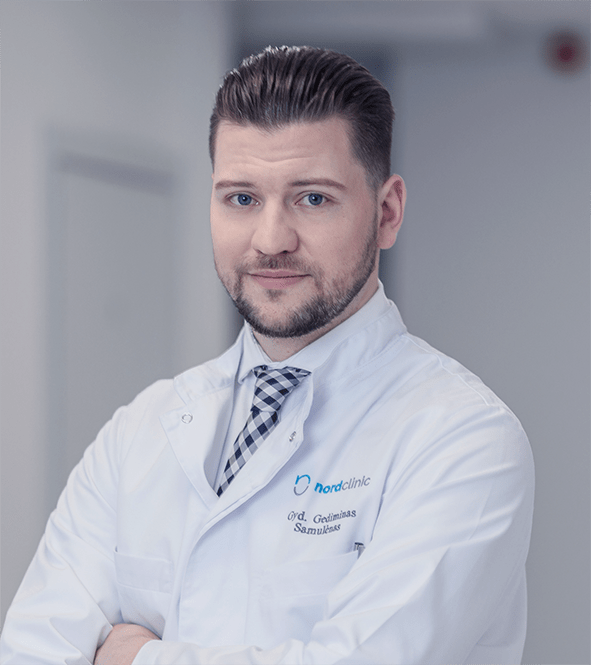
Had training in Lithuania and Germany. Interests in reconstructive surgery, free microsurgical flaps.
Andrius Pajeda
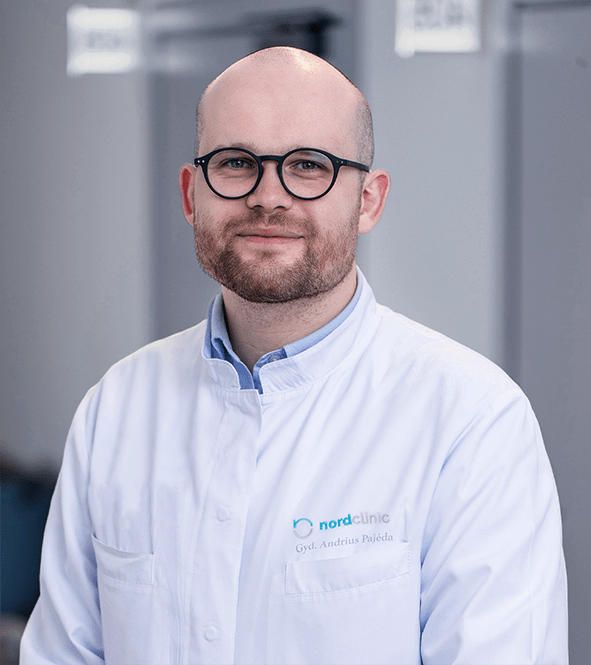
Had training in Lithuania and abroad. Is an active participant in international plastic surgery community events.
Tautvydas Urbonas
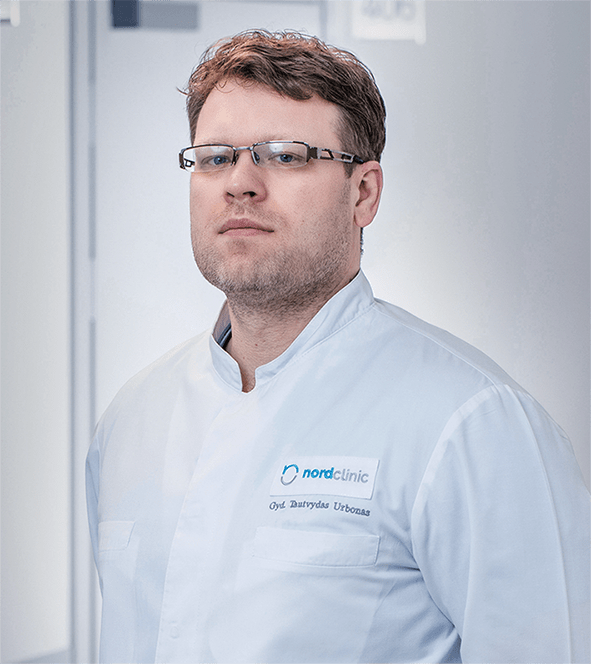
Member of Lithuanian wound management association. Had training in France. Performs over 500 plastic surgeries a year.
Goda Astrauskaite
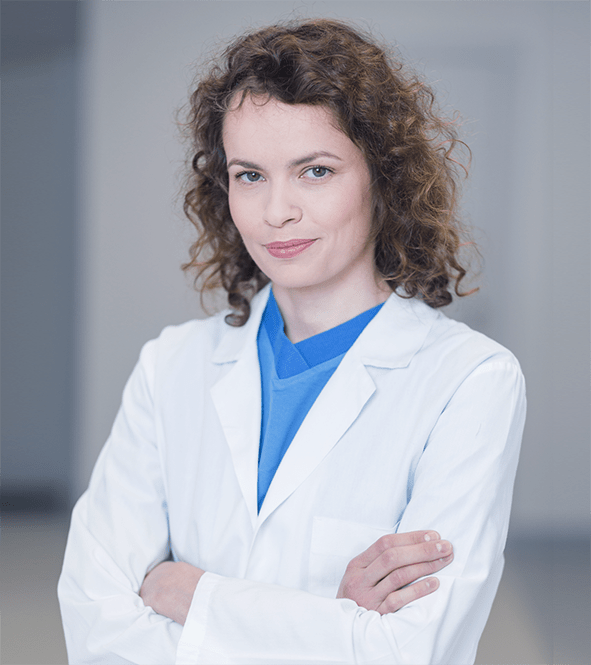
Had training in Lithuania and France. Active participant and speaker in various international plastic surgery community events.
Audrius Pakulis
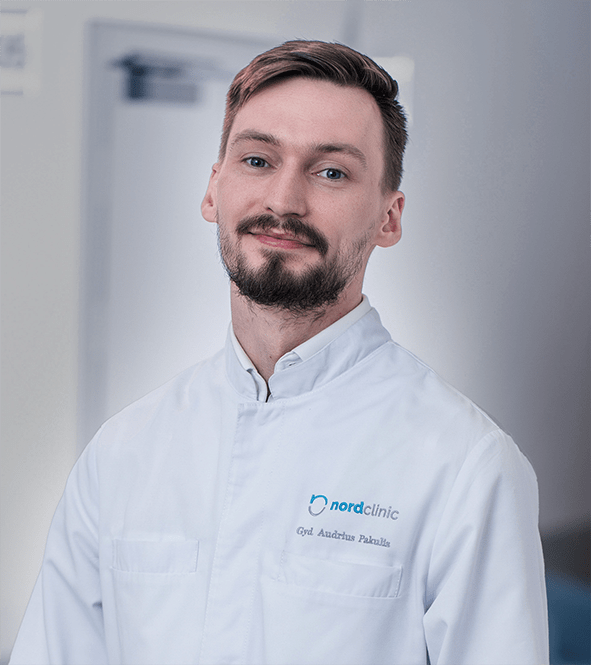
Had training in Lithuania and USA. Member of American Society of Plastic Surgeons. Member of Lithuanian Wound Healing Association.
Ghassan W.Said
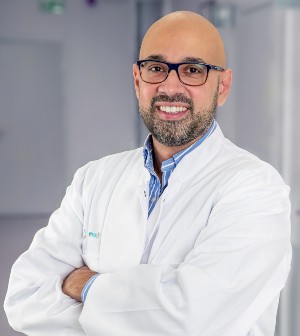
Member of Lithuanian Society of Plastic and Reconstructive Surgery. Had training in Brazil, Lebanon, Italy, Lithuania and other countries.
Mantas Kievisas
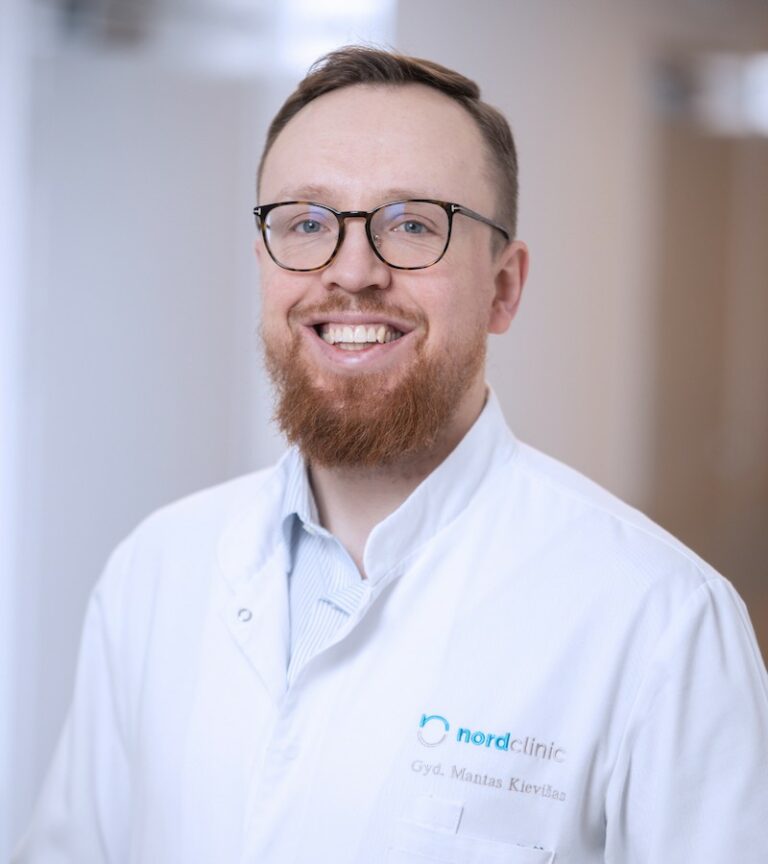
Had training in Lithuania, USA, Finland, France and other countries. Interests in body contouring surgery, post-bariatric surgery.
Gytis Baranauskas
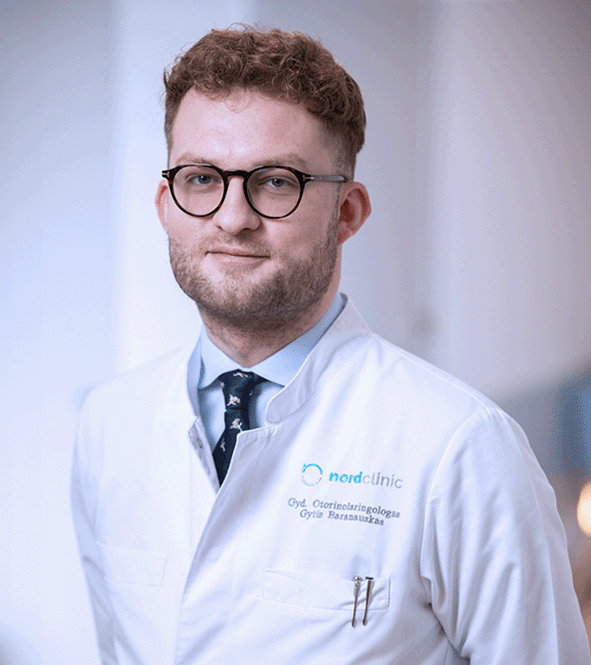
Member of European Rhinologic Society. Specialises in reconstructive surgery of the nose
Simonas Kaupas
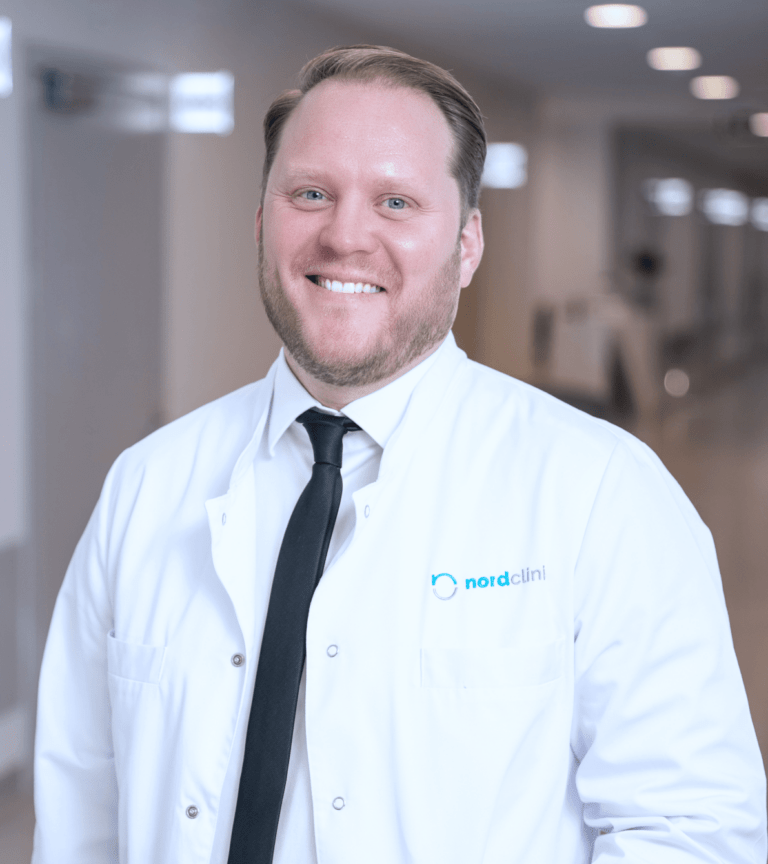
Active participant and speaker at meetings of Plastic and Reconstructive Surgery. Has done more than 3000 plastic surgeries.
Egle Virbickaite
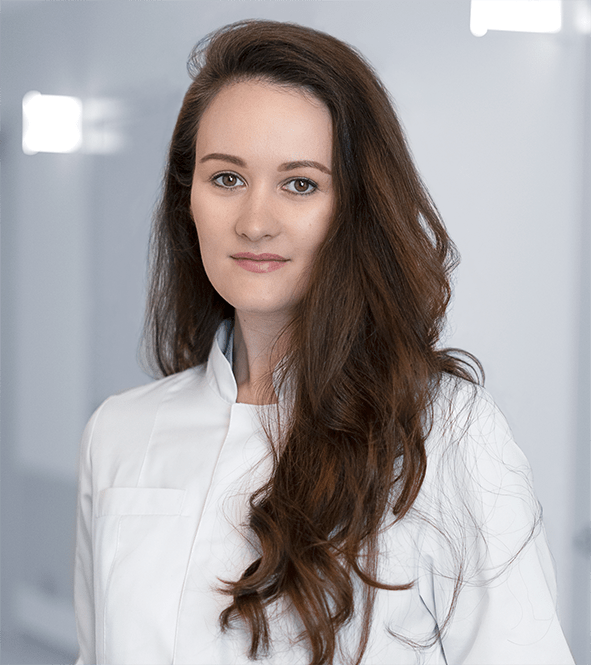
Had training in Lithuania and Germany. Member of the American Society of Plastic Surgery.
Karolis Varkalys
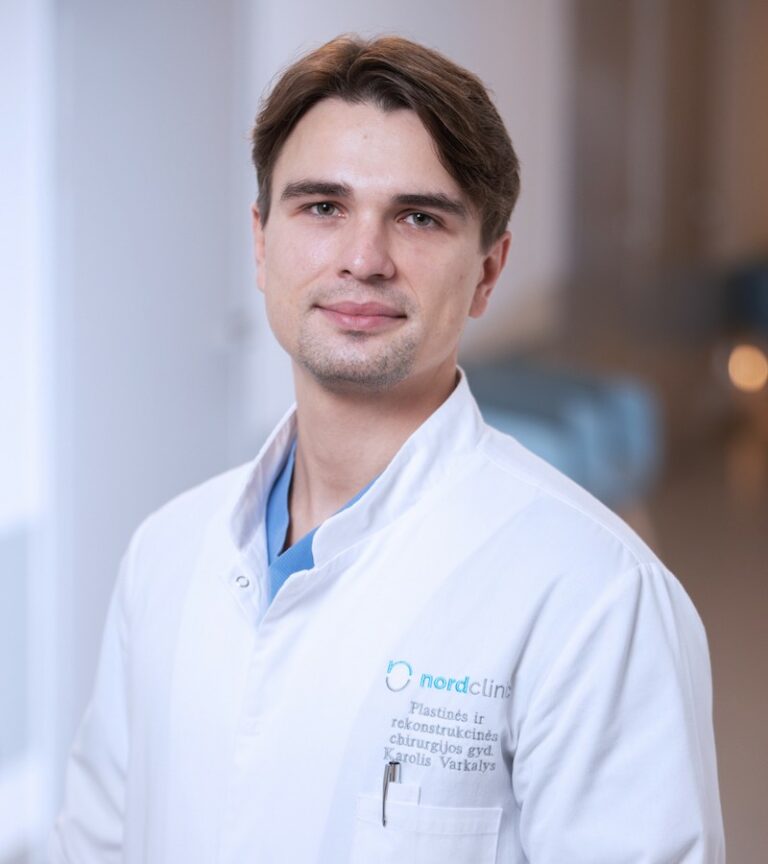
Had trainings in the UK and France. Author and co-author of numerous scientific publications.
Aurimas Dobilinskas

Had training in Lithuania and abroad. Is an active participant in international plastic surgery community events.